Earthquake in Kolkata: Building Safety After February 27, 2026 - What You Need to Know
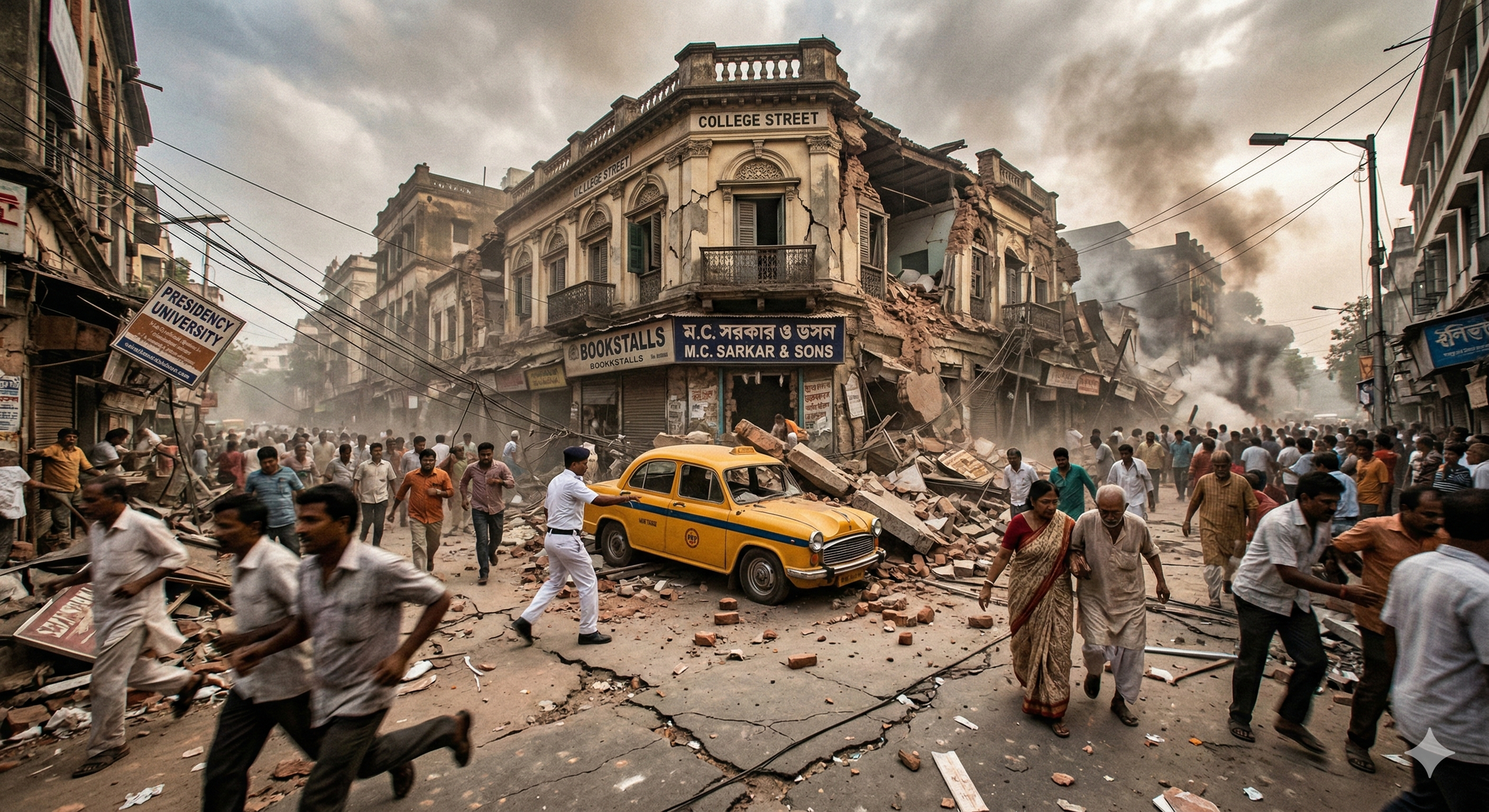
The morning of February 27, 2026, changed everything for Kolkata. When the earth shook beneath the City of Joy, it wasn't just buildings that trembled – it was our entire understanding of seismic safety in this historic metropolis. The earthquake served as a wake-up call, highlighting just how vulnerable our beloved city really is to seismic disasters.If you're a resident of Kolkata, a property owner, or someone planning to build in this area, you're probably asking yourself some tough questions right now. How safe is my building? What makes some structures collapse while others stand firm? And most importantly, what can I do to protect myself and my family from future earthquakes?This article will walk you through everything you need to know about earthquake risks in Kolkata, the factors that put our city in danger, and practical steps you can take to make your building – whether old or new – more earthquake resistant.
Understanding Kolkata's Earthquake Risk
Why Kolkata Faces Seismic Threats
Many people think of Kolkata as being relatively safe from earthquakes compared to places like Delhi or the northeastern states. But the reality is quite different. The city sits in what geologists call Zone III of India's seismic map, which means it faces moderate to high earthquake risk.The February 27, 2026 earthquake wasn't an isolated incident. Kolkata lies close to several active fault lines, including the Dauki Fault and the Kopili Fault. These geological features make the region prone to seismic activity. What makes things worse is that much of Kolkata is built on soft alluvial soil, which tends to amplify earthquake waves, making even moderate tremors feel much stronger.
The Domino Effect of Urban Density
Walk through any neighborhood in Kolkata, and you'll see the challenge we face. Buildings are packed closely together, many sharing walls or built with minimal space between them. When an earthquake strikes, this density becomes a serious problem. If one building collapses, it can easily damage or bring down neighboring structures, creating a domino effect of destruction.The narrow lanes that give Kolkata its charm also become death traps during emergencies. Emergency vehicles struggle to reach affected areas, and people find it difficult to evacuate quickly. This combination of factors makes earthquake preparedness absolutely critical for every building in the city.
Factors That Put Kolkata Buildings at Risk
The Age Problem
A significant portion of Kolkata's buildings were constructed decades ago, long before modern earthquake-resistant building codes came into effect. These older structures often lack the reinforcement needed to withstand seismic forces. Many were built using traditional methods that prioritized cost and speed over earthquake safety.The colonial-era buildings, while architecturally beautiful, often have thick masonry walls without proper reinforcement. Similarly, many residential buildings from the 1960s to 1980s were constructed with minimal steel reinforcement and poor-quality concrete, making them particularly vulnerable during earthquakes.
Soil Conditions and Foundation Issues
Kolkata's geography presents unique challenges for construction. Much of the city is built on soft, marshy soil that was reclaimed over centuries. This type of soil tends to liquefy during strong earthquakes, causing buildings to sink or tilt dramatically.Many older buildings in Kolkata have shallow foundations that aren't adequate for the soil conditions. When the ground shakes, these buildings are more likely to experience structural failure. The foundation problems are made worse by poor drainage systems that keep the soil saturated with water, further reducing its stability during seismic events.
Construction Quality and Material Issues
Unfortunately, many buildings in Kolkata suffer from poor construction quality. Contractors sometimes use substandard materials to cut costs, or they don't follow proper construction techniques. Common problems include:
- Inadequate steel reinforcement in concrete structures
- Poor quality cement and aggregates
- Improper mixing ratios for concrete
- Insufficient curing time for concrete elements
- Lack of proper connections between different structural elements
These quality issues significantly reduce a building's ability to withstand earthquake forces, increasing the risk of catastrophic collapse.
Essential Factors for New Earthquake-Resistant Buildings
Foundation Design and Soil Analysis
If you're planning to construct a new building in Kolkata, your foundation is your first line of defense against earthquakes. Before breaking ground, invest in a thorough soil analysis to understand the bearing capacity and characteristics of your site.For Kolkata's soft soil conditions, deep foundations are often necessary. Pile foundations that extend down to more stable soil layers provide much better earthquake resistance than shallow foundations. The foundation should also be designed to prevent differential settlement, which occurs when different parts of a building sink at different rates. Consider using reinforced concrete foundations with proper steel reinforcement. The foundation should form a continuous, well-connected base that can distribute earthquake forces evenly throughout the structure.
Structural Design Principles
Modern earthquake-resistant design follows several key principles that every new building in Kolkata should incorporate: Symmetry and Regularity: Buildings with regular, symmetrical shapes perform much better during earthquakes than irregular structures. Avoid complex geometries, significant setbacks, or heavy masses concentrated in specific areas. Proper Reinforcement: Use adequate steel reinforcement throughout the structure. The steel should be properly connected and detailed according to seismic design codes. Pay special attention to beam-column joints, which are critical for earthquake resistance. Ductility Over Strength: Your building should be designed to bend without breaking. Ductile structures can absorb earthquake energy through controlled deformation, while brittle structures tend to fail suddenly and catastrophically.
Material Selection and Quality Control
Choose high-quality materials and maintain strict quality control throughout construction:
- Use cement that meets relevant Indian Standards
- Ensure aggregates are clean, well-graded, and free from harmful substances
- Use steel reinforcement bars that comply with seismic design requirements
- Maintain proper concrete mix ratios and ensure adequate curing
- Use quality bricks or blocks for masonry work
Regular testing of materials during construction helps ensure that your building will perform as designed during an earthquake.
Building Configuration and Planning
Smart architectural planning can significantly improve earthquake resistance:
- Keep the building height reasonable for the soil conditions
- Avoid large overhangs or cantilevers that can create stress concentrations
- Design for multiple load paths so forces can be redistributed if one element fails
- Include adequate space between buildings to prevent pounding during earthquakes
- Plan for easy evacuation with wide staircases and multiple exit routes
Protecting Existing Buildings from Earthquake Damage
Structural Assessment and Evaluation
If you own or live in an older building, the first step is getting a thorough structural assessment from a qualified engineer. This evaluation should examine:
- The current condition of structural elements like beams, columns, and walls
- Foundation adequacy and any signs of settlement
- Quality of connections between different structural components
- Overall structural integrity and load-carrying capacity
The assessment will help identify specific vulnerabilities and prioritize retrofitting measures based on your building's condition and earthquake risk.
Retrofitting Strategies for Different Building Types
Masonry Buildings: Many older residential buildings in Kolkata are made of brick masonry. These can be strengthened by:
- Adding steel reinforcement to critical walls
- Installing concrete bands at lintel and roof levels
- Strengthening corners and wall intersections
- Improving connections between walls and floors
Reinforced Concrete Buildings: Older concrete buildings often need:
- Column strengthening using steel jackets or concrete jacketing
- Beam reinforcement to improve ductility
- Joint strengthening to prevent brittle failures
- Adding shear walls to improve lateral strength
Mixed Construction: Buildings that combine different materials need careful analysis and customized retrofitting solutions.
Non-Structural Improvements
Don't forget about non-structural elements that can cause injuries or block evacuation routes:
- Secure heavy furniture, appliances, and equipment
- Install safety film on windows to prevent glass from shattering
- Ensure ceiling fans and light fixtures are properly anchored
- Check and reinforce parapets and architectural projections
- Improve emergency lighting and evacuation signage
Maintenance and Regular Inspections
Earthquake resistance isn't a one-time achievement – it requires ongoing maintenance:
- Conduct regular inspections of structural elements
- Address cracks, corrosion, or other signs of deterioration promptly
- Maintain proper drainage to prevent water damage
- Keep load paths clear and avoid unauthorized structural modifications
- Update retrofitting as building codes and technologies improve
Planning for the Future
Community Preparedness
Individual building safety is important, but community-wide preparedness is equally crucial. Work with your neighbors to:
- Develop evacuation plans for your area
- Identify safe assembly points away from buildings
- Create emergency supply caches in multiple locations
- Train residents in basic first aid and rescue techniques
- Establish communication networks for post-earthquake coordination
Staying Informed About Building Codes
Building codes and earthquake engineering knowledge continue to evolve. Stay updated about:
- Changes in local building regulations
- New retrofitting technologies and techniques
- Government incentive programs for seismic improvements
- Professional development opportunities for contractors and engineers
Financial Planning for Safety Improvements
Earthquake retrofitting can be expensive, but the cost is small compared to potential losses from building collapse. Consider:
- Setting aside funds gradually for retrofitting work
- Exploring government subsidies or low-interest loans for seismic improvements
- Sharing costs with neighbors for community-wide improvements
- Prioritizing the most critical safety improvements first
Moving Forward Together
The earthquake in Kolkata on February 27, 2026, was a reminder that we can't take our safety for granted. But it also showed us that preparation and proper construction can save lives and property. Whether you're building new or improving an existing structure, the steps you take today will determine how well your building performs in the next earthquake.Remember, earthquake-resistant construction isn't just about following building codes – it's about understanding the specific challenges that Kolkata faces and addressing them systematically. From the foundation up, every decision you make about materials, design, and construction quality contributes to your building's ability to protect the people inside.The goal isn't to build earthquake-proof buildings – that's neither practical nor necessary. Instead, we want earthquake-resistant buildings that can withstand likely earthquakes without collapse, allowing people to evacuate safely and minimizing property damage.As Kolkata continues to grow and develop, we have the opportunity to build a more resilient city. By applying what we've learned about earthquake risks and building safety, we can ensure that future generations inherit a city that's not just beautiful and vibrant, but also safe and prepared for whatever challenges nature might bring.Take action today, whether that means getting your existing building assessed, planning improvements, or simply learning more about earthquake safety. Your investment in earthquake resistance isn't just about protecting property – it's about protecting lives, including your own and those of the people you care about most.
This article has been authored by Er. S. Halder, M.Engg, C.Engg.MBA


